

When a company in the UAE undergoes liquidation, the question that prevail is usually – what will happen to the shares? This stage in the life cycle of a business is significant because as liquidation proceeds, it provides the company with direction on how it can distribute its assets and investments.
In this article, we will discuss what will happen to shares after a company implements liquidation, as well as offering a practical breakdown of the legal, financial, and procedural aspects that will be discussed, during the liquidation process.
Understanding Shareholding During Liquidation

The commencement of liquidation entails the relinquishment of shareholders’ direct authority over the company’s assets and management.
- Liquidator’s Appointment: Upon the appointment of a liquidator, they hold all powers and responsibilities of the company. This individual takes over management of the company, assesses liabilities, and prepares to notify all stakeholders of the liquidation process. Shareholders, during liquidation, are not given an opportunity to have input in any decision until the liquidation process is finalized. The liquidator undertakes the process independent of owners with the goal to achieve equitable outcomes for all involved parties.
- Suspension of Shareholder Powers: Shareholders’ voting and management rights are suspended throughout the liquidation process. They will not have any decision-making power or influence over the affairs of the corporation. However, shareholders still maintain the right to any remaining value left over after all remaining debts are settled.
- Asset Conversion: The assets of the company must be converted to cash, if possible, commencing with any properties or investments. This allows for the potential distribution funds to be used to pay off any creditors before shareholders receive any distribution. At this point in the process, the value of shares is directly correlated to the net worth of the remaining assets after all liabilities are accounted for.
Distribution Of Assets And Shares Value
After any debts have been settled, the remaining money (if applicable) will be divided by shareholder percentage.
- Priority to Creditors: Creditors always get paid first. Once their claim has been paid in full, the liquidator will calculate the residual value payable to the shareholders as required to ensure the liquidation is undertaken in a lawful, credible process and manner.
- Distributions in Proportions: The value of the distribution owed is based on the relation to the proportion of their shareholding. So using a 25 example, this means a shareholder that holds 25 percent will be able to receive 25 percent of the remaining value after all expenses have been paid. The liquidators report will disclose the formula for the distributions.
- Risk of Zero Value: If the company has more liabilities, there could be zero value owed to the shareholders. This typically occurs in an insolvent liquidation situation. At the same time, in an insolvent liquidation situation, the individual typically will not be personally liable, unless they have granted a personal guarantee against the company’s debt.liable unless they provided personal guarantees for company debts.
Impact On Share Certificates And Ownership
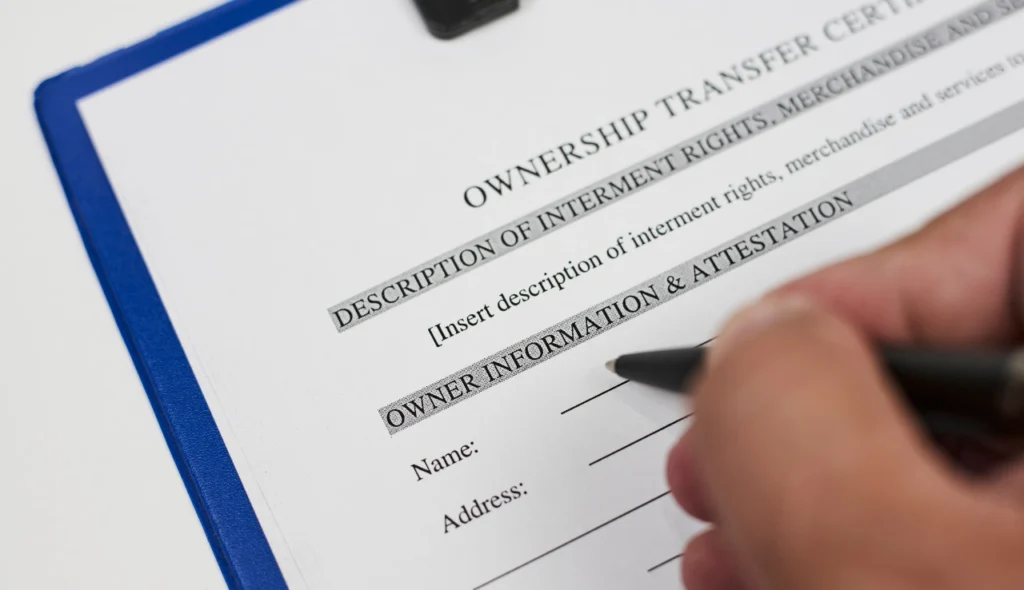
Liquidation has a direct impact on the status of share certificates and ownership of shares.
- Share Cancellation: When the liquidation process is completed, all shares in the company are cancelled. The company ceases to exist as a legal entity, and the shares have no value and ownership rights attached to them.
- Registrar Update: Upon successful liquidation, the liquidation results is registered with authorities in the UAE. The registrar acts on the updated records to reflect the company is now dissolved. This is an important step to prevent any possible future misuse of the company details and certificates.
- Closing Statements: The liquidator will issue closing statements to the shareholders stating how the shares and funds were dealt with. These documents are very important from a legal and tax perspective to document that the liquidation was carried out properly.
Rights Of Shareholders After Liquidation
Shareholders continue to have certain interests to potential information and claims after liquidation.
- Access To Liquidation Report: Shareholders are entitled to read the last reports and audit documents made by the liquidator. This provides an avenue for absolute accountability and prevents potential misuse of their claims.
- Right To Residual Funds: If there are residual assets after the creditors and costs have been accounted for, shareholders are entitled to their share of the residual funds, which are distributed and put in their bank accounts according to their ownership interests.
- Legal Right: If a shareholder believes their interests has been mishandled or misrepresented, they can follow a recourse of law in the UAE courts. This right shields investors’ interests from abuse and potential fraud during liquidation.
Factors That Determine Share Value After Liquidation
The ultimate outcome of a shareholder’s investment is affected by a number of variables in the winding up process.
- Company Asset Base: A company with more assets has a greater distributable return for its shareholders. Liquidators will conduct a full evaluation of the company’s exact value before winding up. They may even engage an independent assessment process to ensure the liquidating manager’s actions are transparent.
- Outstanding Liabilities: Debt and unpaid obligations reduce the total distributable funds. If a company has a significant amount of liability, it may leave little to no final value or return for shareholders, after satisfying creditors accounts.
- Liquidation Costs: Before any distributions to shareholders, the liquidation costs for administration, legal costs and service providers are deducted. These costs can significantly impact the final value of the share.
Legal Framework Governing Liquidation In UAE
The legal framework in the UAE clearly stipulates the procedures for distributing shares and liquidation.
- Commercial Companies Law: Liquidation procedures are governed by the UAE Commercial Companies Law (Federal Law No. 32 of 2021). It protects creditor’s rights and ensures transparency for shareholders during liquidation.
- Regulatory Compliance: The free zones, including DIFC, DMCC, and ADGM, maintain their own regulations, but the principles of fairness and compliance are consistent throughout. Each regulatory authority requires documentation to demonstrate compliance prior to closure of the company.
- Court Involvement: In more complex scenarios, the court may oversee liquidation to ensure fairness. The court can appoint liquidators, who must comply with certain reporting and audit requirements as laid out in the law of the UAE.
Tax Implications Of Liquidation For Shareholders
Liquidation may affect a shareholder’s tax obligations, particularly if assets are written off or distributed.
- Capital Gains: UAE law generally provides capital gains tax relief, but foreign shareholders may be liable for tax in their country of residence. Tax advisors should be consulted for cross-border implications.
- Losses: Shareholders may be able to claim losses relating to their investment on their personal accounts that can be applied against profits in their personal accounts depending on the jurisdiction. This can help mitigate financial loss.
- Tax Compliance: Maintaining accurate records of the liquidation process will help ensure that tax returns and compliance is accurate. The liquidator will provide certified documentation confirming the distribution of shares and the settlement of assets
How To Protect Shareholder Interests During Liquidation
Effective planning can lower exposure to risks and protect the value of shareholder equity when a company is liquidated.
- Engage Professional Advisors: Hiring a qualified liquidator and lawyer will help with a fair and compliant process. They can help identify issues before they arise and can limit costly mistakes.
- Keep Updated: Shareholders should review the liquidation updates and reports on a regular basis. This keeps shareholders informed of the process and helps to ensure that the liquidation proceeds are distributed properly.
- Know Your Legal Rights: Having knowledge of one’s legal rights under the UAE law, is one way to limit unfair treatment. Shareholders should not hesitate to obtain professional advice if things go wrong.
Conclusion
Having a clear understanding of what happens to shares after liquidation in the UAE will assist shareholders in anticipating and adapting to the financial and legal consequences. From the conversion of assets to the final distribution of any remaining funds, each stage of the liquidation process is dictated by clear legislation in the UAE which exists to protect the best interests of all parties.
Xpert Advisory provides tailored preparation and assistance for businesses and shareholders navigating all stages of liquidation in the UAE. Our experts ensure transparency, accuracy and operating with the utmost efficiency from initial consultation to the end of your process.
Contact us today to ensure your financial interest is protected throughout a liquidation process while ensuring the whole process has ample levels of compliance throughout.
FAQs
1. What Will Happen To Shareholders When A Company Is Liquidated In The UAE?
Once the liquidation is complete the shareholder will sever ownership rights as the company is no more. You might be in line to receive any leftover funds in the event there are assets remaining once all debt is settled, however, the shareholders will not be personally responsible to cover any company debts unless an individual gave a guarantee to pay. Liquidation ends all shareholder rights.
2. Are Shareholders Entitled To Any Remaining Value After The Liquidation Process?
Yes, provided that the assets of the company are greater than its liabilities. After paying creditors and liquidation costs, any funds or assets remaining will be distributed to shareholders on a pro-rata basis based on the ownership percentage of each shareholder. Companies in insolvency will not generally make a payment to shareholders.
3. Are Shares Transferable During Liquidation In The UAE?
No, once liquidation is started you will not be able sell or transfer shares in any manner. The liquidator takes control and freezes all shares. Any type of transfer or sale of shares will be ineffective or void in accordance with UAE law. This is appropriately done to ensure the proper management and fair distribution during liquidation.