
Expanding your business’ operations to the UAE is a smart and tactical move for any foreign organization. With its solid economy, highly-strategic location, and an environment that is business-friendly, the United Arab Emirates provides a gateway to the entire MENA (Middle East & North Africa) region.
For established international firms, having a branch office setup in UAE is generally deemed the most efficient pathway towards market entry. It permits you to seamlessly trade under your pre-existing brand’s name, retain complete ownership, and maintain robust operational control.
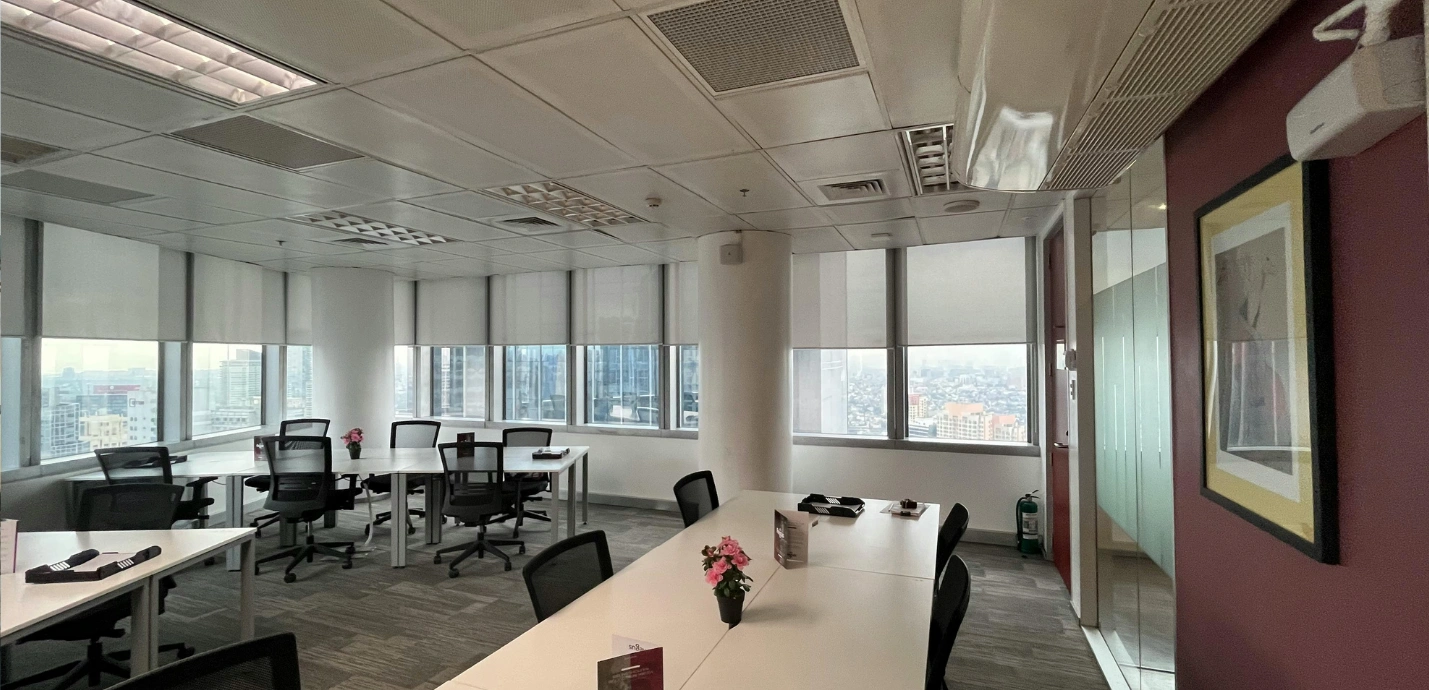
A branch office is a direct extension of an international parent company and not a separate legal establishment. It functions under the same commercial registration as well as name as that of the head office.
As opposed to a subsidiary company or an LLC (Limited Liability Company), a UAE branch office does not have its own AoA (Articles of Association). Instead, it is 100% owned by the parent firm, which continues to remain liable for the actions of the branch as well as its debts.
Here is a glance at the key characteristics of a Branch Office in the UAE:
International enterprises opt for the branch model specifically to enjoy the following tactical benefits:
You do not need a local UAE sponsor to hold shares in your firm. The parent organization retains complete equity as well as management control.
You operate directly under your reputed global brand name, thereby building instant trust as well as recognition within the local market.
The majority of the branch structures do not need a compulsory share capital deposit, minimizing the initial fiscal barrier to enter, unlike other methods of incorporation.
UAE branch offices are entitled to repatriate the entirety of their profits back to the headquarters of the parent firm.
The UAE presents a tax framework that is highly competitive. While subject to the standard rate of UAE corporate which is 9%, entities benefit from DTAA (Double Taxation Avoidance Agreements) signed by the UAE with multiple countries.
When setting up your presence in the UAE, you usually fall into either of the following categories depending on your business’ intent:
Registered with the DED (Department of Economic Development) and the UAE Ministry of Economy, this particular option permits you to directly trade within the local market of the United Arab Emirates and work with government-backed contracts.
Registered within a particular Free Zone Authority (like DMCC, JAFZA, RAKEZ). This is generally preferred for business entities that are focused on international trade or particular industries, providing benefits such as custom duty exemptions.
The process of setting up a UAE branch office includes navigating both federal as well as localized emirate-level approvals. Here is the complete roadmap:
If you are planning on setting up a branch office on the UAE Mainland, you are required to sign an official agreement with an LSA. The agreement gets notarized in a UAE court.
Complete and submit your application to the relevant DED or Free Zone Authority for getting your trade name reserved and securing initial approval to start the setup process.
For foreign branches, particular approval from the UAE Ministry of Economy is usually needed to register the branch as an extension of the foreign entity officially.
You are required to submit a complete set of documents (listed later) to the concerned authorities
Once every approval is secured and the government fees are paid, the official Commercial License gets issued.
Tax Registration: Registering for VAT (if and when eligible) as well as Corporate Tax.
Important Distinction: As opposed to a “Sponsor,” a Local Service Agent does not own any amount of equity in your business entity, nor do they take part in management or share profits.
When setting up your presence in the UAE, you usually fall into either of the following categories depending on your business’ intent:
A commercial branch office is a full-fledged operating body. It permits you to trade, invoice your clients, and most importantly, generate revenue within the United Arab Emirates. It functions as the regional operational hub for the parent firm.
A representative office is restricted to only non-transactional activities. It is mainly used for marketing purposes, promoting the services of the parent company, and gathering market assessment and research. It is not allowed to engage in any form of direct sales. Furthermore, it cannot earn revenue within the United Arab Emirates.
To ensure a smooth, hassle-free setup process, the parent firm must give the following documents, which generally need to be officially attested by the Embassy of the UAE in the origin country as well as the UAE’s MOFA (Ministry of Foreign Affairs):
The expenses can change significantly as per the chosen jurisdiction (Mainland vs. Free Zone) and the particular business activities. Generally, the initial costs for setups can range anywhere between AED 25,000* to AED 40,000*.
Tis estimate covers the following:
Note: Office rent as well as visa costs are not covered.
Setting up a new branch office in the UAE involves numerous intricate legal steps, right from registration with the UAE Ministry of Economy to ensuring complete compliance with the Commercial Companies Law;s Article 314. Documentation errors also often lead to expensive delays.
Xpert Advisory functions as your reliable partner on the ground. We seamlessly bridge the major gap between your global HQ and local UAE needs.
Our extensive range of service include:
A-Z management of the complex branch setup procedure.
Secure, highly-professional representation without dilution of equity.
Expediting employees’ visas as well as labor cards.
Ensuring you are totally compliant with VAT as well as UAE Corporate Tax regulations from the very first day.
Ready to expand your UAE footprint? Get in touch with Xpert Advisory today for a free consultation and get started!